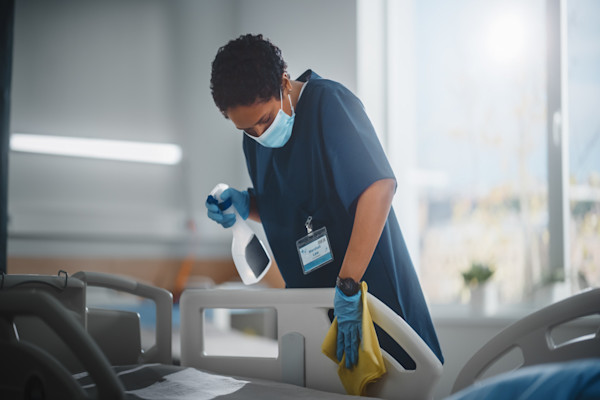
Why is Disinfection of Public Spaces Important?
The spread of diseases in the community can be stopped or slowed down mainly by disinfection. Because viruses frequently thrive in public spaces, we decrease the risk of transmission and cross-contamination by eradicating or minimising the prevalence of these harmful pathogens in the environment.
Pathogens frequently remain on surfaces and inanimate things. Without thorough disinfection, high-contact surfaces in communal areas provide a breeding ground for spreading illness. By adopting disinfection practices, we complement personal hygiene, create a pathogen-free environment, and promote wellness.
However, it is the responsibility of individuals in the community to maintain clean public spaces to help minimise the number of pathogens to a reasonable level. Personal hygiene, strict adherence to health rules, and community synergy contribute to the cleanliness of the surroundings and help to keep surfaces people come into contact with as pathogen-free as possible.
Essential Supplies for Effective Disinfection
For the disinfection process to be thorough and efficient, it has to be approached meticulously with the equipment of essential supplies and strict compliance with health regulations. In the drive to create a safer and more hygienic community, these supplies empower individuals, businesses, and institutions and play a pivotal role in ensuring the well-being of communities.
Let us delve into the indispensable tools that play a significant role in the disinfection of public spaces in the community:
1. Disinfectants
Disinfectants are essential components of any efficient cleaning and disinfection regimen. They are intended to remove harmful microorganisms from various surfaces and objects. However, it would be best to choose trustworthy disinfectants that are VC8054 compliant and registered by the National Regulator for Compulsory Specifications (NCRS). Also, go for disinfectants that are effective against a broad spectrum of pathogens, like Handy Andy Multipurpose with bleach, and check the labels or documentation for optimal disinfection.
2. Personal Protective Equipment (PPE)
This is a critical component for any disinfection process and serves as a protective barrier to ensure the cleaner stays safe during the disinfection process.
- ✦
Disposable Gloves: They protect your hands from direct contact with surfaces and disinfectants. Nitrile, latex, and vinyl gloves are commonly used, but nitrile offers more protection due to their resistance to chemicals and provides better protection against potentially harmful substances.
- ✦
Eye Protection: Due to the possibility of splashes from disinfectants or contaminated surfaces, eye protection such as safety goggles or face shields are needed to prevent direct contact with these potentially harmful substances. It adds a layer of defence and protects the eyes. They should fit snugly around the eyes to safeguard against direct and indirect exposure.
- ✦
Masks: not only do they prevent the inhalation of harmful particles, but they also prevent the spread of respiratory droplets from the wearer. Masks should cover the nose and mouth entirely during the process and only be removed by ear ties. Surgical masks and N95 respirators are the best options. N95 respirators are recommended for situations with a higher risk of airborne contaminants and offer a higher level of filtration.
3. Miscellaneous Equipment
These tools are necessary to make the disinfection process as hitch-free as possible. They perform various functions that augment the process and make it seamless.
- ✦
Dilution equipment for diluting concentrated disinfectants
- ✦
Cleaning cloths to apply disinfectant and other cleaning solutions to surfaces
- ✦
Spray bottles to dispense disinfectants for easy application
- ✦
Trash bags for the disposal of used clothes, gloves, and other disposable items
- ✦
Bucket and mop for applying disinfectant on large areas and surfaces that can't be wiped down
- ✦
Cleaning brushes for scrubbing and cleaning surfaces that require fixation and pressure
- ✦
Step ladders for reaching high surfaces and areas out of normal reach
- ✦
Disposal gloves and aprons to handle potentially contaminated materials during clean-up and disposal
Tips For an Effective Disinfection
Creating a plan outlining high-touch areas and cleaning frequency is vital to undergo any disinfection. For every public place, there are different disinfection procedures to adopt, but what is most important is to focus on the most frequently touched areas, as those are the contact points for the transmission of pathogens. A checklist is also advised to keep track of the necessary areas and ensure they are adequately disinfected.
- ✦
Cleaning Schedule: Adherence to a strict disinfection schedule is paramount for these public places to stay clean. The schedule is augmented by promoting community awareness and ensuring compliance with disinfection protocols.
- ✦
Safety Precaution: When disinfecting public spaces, using PPEs and thorough clean-up after the process is vital to ensuring the safety of the individuals carrying out the disinfection and the general public.
- ✦
Promoting Community Awareness: This can be achieved by encouraging community engagement in keeping the environment clean and safe. Informative posters about disinfection practices and the benefits of a pathogen-free public space can be placed.
Disinfecting public areas is a shared responsibility critical in ensuring the community's health and safety. Individuals, businesses, and institutions may actively contribute to creating a more immaculate and well-being-focused environment for everybody by following the guidelines outlined in this article. Let’s create a safer and more hygienically secure community with a coordinated commitment to disinfection now.
For more cleaning tips, visit Cleanipedia today!