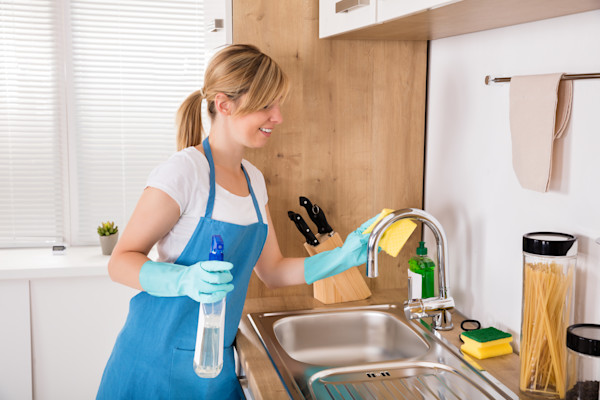
9 Basic Kitchen Hygiene Practices
It’s easy for kids to reach up to your dirty kitchen counter and catch germs when you’re busy making delicious meals for them. That’s why it’s important to practise these basic hygiene practices.
1. Kitchen Hygiene 101: Keep Your Hands Clean
The most important kitchen hygiene tip is to always have clean hands. Wash your hands frequently to prevent the spread of bacteria when you are cooking.
Make sure that everyone in your family understands how to wash their hands properly because frequent handwashing is one of the most important kitchen hygiene standards for kids as well.
Other advice on maintaining good hand hygiene includes:
- ✦
Do not wear rings or other hand accessories while cooking because they can collect dirt.
- ✦
Try to keep your nails short to avoid getting food stuck in them.
- ✦
If your hand gets cut, clean your hands right away and apply a bandage.
2. Clean Counter Tops
One of the simplest (and most important) kitchen hygiene practices is to wipe down kitchen counters after every use. This will not only keep the kitchen tidy but also prevent the spread of bacteria.
You should wipe down other high-touch places as well, such as:
- ✦
Fridge door
- ✦
Taps
- ✦
Knobs and handles on appliances
Tip: Spot cleaning is the key to keeping a clean kitchen. Keep a roll of extra absorbent kitchen paper on hand to clean up spill accidents immediately.
3. Do Not Cross-Contaminate
Avoiding cross-contamination is high on the list of fundamental kitchen hygiene rules to prevent food poisoning. You don't want harmful bacteria to spread from raw food to cooked food and infect you. To prevent cross-contamination in the kitchen, follow these rules:
- ✦
Cut fish, bread, meat, vegetables, dairy, and other items on different boards.
- ✦
Use different utensils for raw and cooked meals.
- ✦
Never place any consumables near raw meat.
4. Bin Basics
Another important kitchen hygiene practice is to change your dustbin regularly. An old food bin will begin to grow and decompose bacteria, leaving behind a stinking record of what you've cooked in the week.
However, you won't have to hold your breath when you tie the bin bag up if you regularly change your bins.
Consider purchasing your very own compost bin if you want to nurture your houseplants, grow some vegetables indoors, or even just create a garden at home. Composting reduces the quantity of waste we send to the landfill and ultimately decreases our carbon footprint!
5. Get Rid of Grease Immediately
Have you ever cleaned away a greasy stain only to discover it has spread to your hands, kitchen cloth, microwave, and oven as well? You should stop the grease in its tracks by using the Handy Andy multipurpose degreaser to stop the spread of bacteria and grease.
6. Keep Your Fridge Clean
Keeping your fridge clean is the most important part of kitchen hygiene and for good reason. It keeps the food that you and your family eat fresh and sanitary. Spills and rotting food can spread their nastiness to everything else if left unattended.
You should use kitchen towels to spot-clean on a regular basis and also deep clean your fridge at least once a week.
While we're on the subject of the refrigerator, you should avoid defrosting frozen meals on your counter. This will help in preventing bacteria growth brought on by a sudden temperature shift.
7. Scrub Your Sinks Everyday
Your sink is used frequently throughout the day. Therefore, if it is not kept clean, it will quickly get dirty and covered in bacteria. Following this kitchen hygiene guideline won't take much time, but it's worth it.
- ✦
Gently scrub your sink with a scourer and kitchen cleaner once every day. Do not forget the taps!
- ✦
Use a kitchen towel to wipe up any spills or pools of water around the sink to keep the area clean in between deep cleanings.
- ✦
Make sure to clean your oven frequently if you want to keep it hygienic. The same is true for everything else you use to make meals, including your stove, grill, microwave, and toaster.
8. Wash Your Cleaning Cloths and Sponges
Germs love to cling to your sponges and clothes after you’ve cleaned the kitchen, so you must give them a good wash too. When cleaning germ-filled areas, use a fresh sheet of thick kitchen paper and throw the used sheet in the trash afterwards. This will help prevent the spreading of germs to other surfaces.
9. Be sure to Store Food Properly
Storing your food items properly is just as crucial as cleaning your kitchen. To start, regularly clean the interior of your storage cabins to maintain the best hygiene and get rid of unwanted odours.
When placing food in your refrigerator, be careful to cover everything. Always read the instructions on food packaging before storing the products. Don't forget to check the label to avoid eating food that has passed its expiry date.
Here are some more tips that will help you store your food properly:
- ✦
Make sure leftovers are packed and stored in a container or covered with wrapping paper.
- ✦
You must use airtight containers for foods like wheat, rice, and pasta that are kept on shelves or in cabinets.
- ✦
Do not place heated food in the refrigerator. It must first cool down before being placed in the refrigerator or freezer.
- ✦
Never keep food out for longer than two hours, even sliced fruit and vegetables.
- ✦
Store cooked food on the lowest shelf possible to help prevent contamination. Put food packages on plates to prevent juices from spilling onto countertops or refrigerator shelves.
- ✦
Items that have expired should not be kept in your refrigerator.
- ✦
Don't overcrowd your refrigerator. There should be enough space for proper airflow.
- ✦
Put any refrigerated or frozen foods in the refrigerator or freezer as soon as you can after purchasing them.
For more kitchen cleaning tips and tricks, visit Cleanipedia today!
