afterwardsThe Myth Unveiled
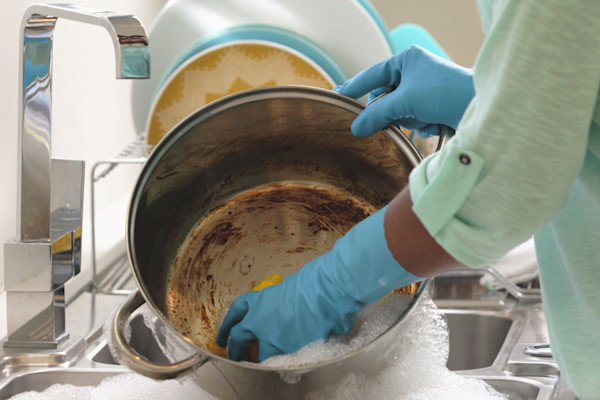
The belief in the effectiveness of soaking pots and pans overnight to remove stains stems from the intuitive notion that prolonged exposure to water will soften and dissolve residues, making them easier to clean. However, the reality is more complex.
While soaking can indeed help loosen some types of stains, its efficacy depends on various factors such as the nature of the stain, the material of the cookware, and the type of detergent used. For instance, soaking may be effective for softening dried-on food particles, but it might not be as useful for tackling grease stains or burnt-on residues.
Leaving pots and pans to soak overnight can sometimes lead to undesirable consequences. In some cases, it may promote bacterial growth, especially if the water is not changed regularly or if the cookware is not properly cleaned afterward. Additionally, certain materials, such as cast iron or aluminium, can be damaged by prolonged exposure to water.
In essence, while soaking pots and pans overnight is a popular method for stain removal, its effectiveness can be inconsistent, and it may not always be the best approach for achieving pristine cleanliness.
Best Products for Cleaning Pots and Pans
When it comes to combating stubborn stains on pots and pans, having the right cleaning product can make all the difference. Two highly effective options are Sunlight Dishwashing liquid or Handy Andy cream. These products are specially formulated to cut through grease and grime, making them ideal for tackling burnt-on marks.
While Sunlight Dishwashing detergent harnesses the degreasing power of lemon for a fresh and effectively clean, Handy Andy Cream offers a powerful cleaning action with a thick consistency that clings to surfaces, ensuring thorough coverage.
By incorporating these recommended products into your cleaning routine, you can expedite the process of restoring your pots and pans to their former glory.
Additional Time-Saving Tips for Cleaning Pots and Pans
In the quest for efficient cleaning without relying on overnight soaking, there are several practical strategies to consider. Instead of waiting hours for stains to soften, you can employ quick and effective techniques to tackle tough residues swiftly.
#1 – Baking Soda and Vinegar
Baking soda's mild abrasive properties combined with vinegar's acidic nature create a potent cleaning solution capable of breaking down stubborn stains without delay. Simply sprinkle baking soda onto the affected areas, followed by a splash of vinegar, and watch as the fizzing action works its magic.
#2 -Non-abrasive Scrubber
Unlike harsh scouring pads that can damage delicate cookware surfaces, non-abrasive scrubbers provide gentle yet effective cleaning. Their soft texture allows for thorough scrubbing without the risk of scratching, making them ideal for tackling even the most stubborn residues.
Busy families need practical and time-effective cleaning solutions that fit seamlessly into their hectic lifestyles. By understanding the limitations of overnight soaking and exploring alternative methods and products, families can achieve cleaner, more sanitary dishes without sacrificing precious time.
For more kitchen cleaning tips and tricks, visit Cleanipedia daily.
