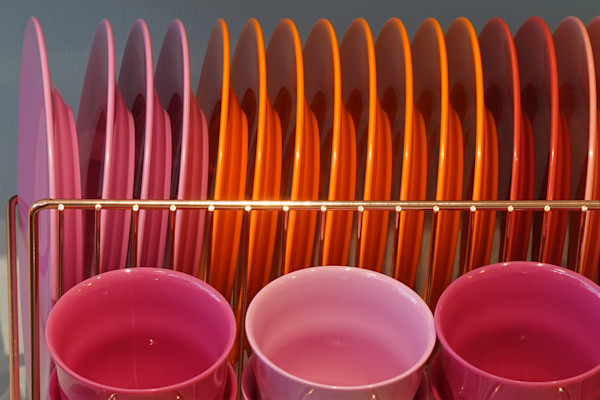
In this blog, we delve into the proper order for washing dishes by hand, providing you with a step-by-step guide to streamline your dishwashing routine.
Step 1 - Preparation and Sorting
Before diving into the dishwashing process, take a moment to prepare and sort your dirty dishes. Organise them based on material and the level of food residue. Creating designated spaces for different types of dishes can help streamline the entire process.
Step 2 - Scraping and Rinsing
To kickstart the washing process, scrape off excess food debris into the trash. Rinsing dishes beforehand removes loose particles, making the washing process more effective. This initial step ensures that the wash water stays cleaner for a more extended period.
Step 3 - Start with the Least Dirty Items
Begin with items that are less soiled, such as glasses and utensils. By starting with these cleaner items, you reduce the risk of cross-contamination and keep the wash water fresher for longer periods.
Step 4 - Move to Plates and Bowls
Progress to washing plates and bowls, which typically have more food residue. Employ effective scrubbing techniques, and don't forget to turn items for thorough cleaning. This step ensures that even the hidden corners of your dishes receive the attention they need.
Step 5 - Pots and Pans Last
Pots and pans are often the trickiest items to clean in a sink full of dishes. By leaving them for the final stage of your dishwashing routine, you can ensure a more efficient and effective cleaning process.
Here are some tips to make this task easier:
- ✦
Fill your sink or a separate basin with warm, soapy water and let your pots and pans soak while you wash the smaller items. This will help loosen any stuck-on food particles, making them easier to clean later.
- ✦
Invest in a good-quality scrubbing brush or sponge specifically designed for cleaning pots and pans. These tools are more effective at removing tough stains and grease than regular dishcloths.
- ✦
For particularly stubborn stains or burnt-on food, sprinkle some baking soda onto the affected areas and let it sit for a few minutes. Then, scrub with a brush or sponge to remove the residue.
- ✦
If you're dealing with extremely greasy pots and pans, consider using a degreasing agent in addition to your regular dish soap. These products are specially formulated to cut through grease and can make the cleaning process much easier.
- ✦
After washing your pots and pans, be sure to rinse them thoroughly with clean water to remove any remaining soap residue. This will help prevent soap scum from building up on your cookware.
Step 6 - Final Rinse and Drain
Give all your items a final rinse to ensure there's no soap residue left. This step is crucial for achieving spotless and clean dishes. Consider using a designated drying area or a dish rack to air-dry your items effectively.
Step 7 - Clean and Maintain Your Sink
Post-dishwashing cleanliness is just as important as the process itself. Regularly clean and sanitise your sink to prevent the buildup of germs and maintain overall kitchen hygiene. A clean sink ensures a clean start for your next dishwashing session.
Read more the most efficient way to get clean dishes, by reading our blog How To Wash Dishes By Hand now.
Extra Tips for Efficiency
- ✦
Soak Stubborn Pans: Before you start washing your dishes, fill your sink or a separate basin with warm, soapy water and place any pots or pans with stubborn residue in to soak. This will help loosen the food particles, making them easier to clean later on. Refer to the step in the previous section detailing the soaking of pots and pans.
- ✦
Establish a Routine: Try to establish a routine for washing dishes to prevent them from piling up and becoming overwhelming. For example, make it a habit to wash dishes immediately after each meal or set aside a specific time each day for dishwashing. This way, you'll stay on top of the task and it won't feel like such a chore.
For more tips and tricks, read our blog Tips For Washing The Dishes By Hand now.
By adopting a systematic order for handwashing dishes, you not only save time and effort but also ensure a consistently clean and hygienic kitchen. Follow these steps, make them a habit, and watch as your dishwashing routine becomes a seamless and efficient part of your daily life. Say goodbye to the chaos of a cluttered sink and hello to the satisfaction of a well-organized and clean kitchen.
For more kitchen cleaning tips and tricks, visit Cleanipedia daily.
