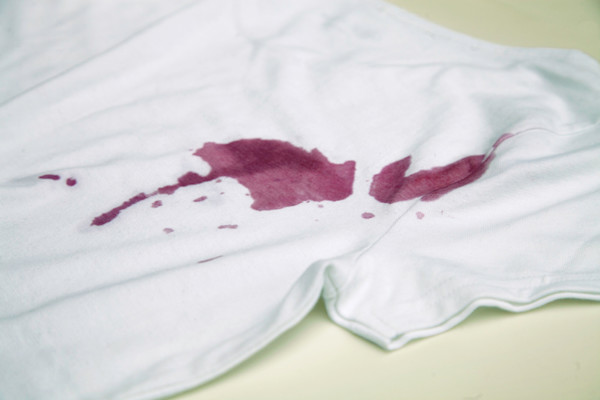
Precautions To Take When Removing A Wine Stain
The first thing you have to put in mind is the fact that different fabrics and materials react differently to stain removal methods. In that light, you have to proceed cautiously and take suitable precautions. This significantly improves your chances of successfully removing the stain without further damaging the item affected.
Here's a brief overview of precautions to keep in mind:
1. Prompt Reaction
Timing is very crucial when dealing with wine stains. The longer you wait to handle it, the harder it becomes to remove it altogether. Because wine contains pigments that can quickly penetrate fabric fibres, it sets into the item as time passes, so it is best to begin any stain removal process as soon as possible.
2. Check the Fabric for Care Labels
Keeping in mind that fabrics have different sensitivities, it is advisable to check the care label on the fabric for any specific instructions or warnings related to stain removal. These recommendations from the manufacturer put you on the right track and avert mistakes of using the wrong stain removal method. Check Laundry Symbols & Washing Instructions for a complete understanding of the care labels.
3. Don’t Rub
To prevent permanent discolouration, avoid rubbing the stain – this can make the wine sink deeper into the fabric fibres and spread the stain to a larger surface area. Instead of rubbing, gently blot the stain with a clean, white cloth or paper towel to absorb the excess liquid. Blotting involves pressing into the stain and dabbing at it. You need the fabric to be dry before applying a stain remover.
4. Test on an Inconspicuous Part of the Stained Fabric
However, before applying any stain remover, you must test it on a hidden or inconspicuous part of the fabric. This is a check to ensure that whatever method you are using won't end up causing discolouration or damage to the material.
5. Don’t Use Anything Hot
Applying heat is a no-no in stain removal – it sets the stain and makes it more difficult to remove. You don’t want that. So, anything that produces heat should not be used on the stained area until you are sure the stain is completely gone.
6. Use Appropriate Products and Avoid Strong Chemicals
The right stain removal products are necessary to remove the stain properly. Go for quality cleaning products like OMO, Sunlight or natural products tested and trusted for that fabric and stain type. Also, strong chemicals like bleach are often too harsh for the fabric and may damage it or cause further discolouration. So, it’s best to stick with milder solutions.
Tips for Wine Stain Removal
After employing the precautions, ensure the water you plan to use is not hot – cold water is advisable. The following tips aid in removing wine stains with a high success rate.
Salt or Bicarbonate of Soda
Sprinkling salt or bicarbonate of soda on the stain helps to absorb the wine. Let it sit for a few minutes, then blot, brush or vacuum away the powder gently with a clean cloth. These powders have absorbent qualities that help to lift the stains off the fabric.
White Wine
You may ask, “Why apply wine to remove a wine stain?” Oddly enough, white wine can neutralise the stain, especially if it is a red wine stain. The acidity in white wine counteracts the pigment in red wine and makes it easier to lift the stain. So, you only need to pour a small amount of white wine onto the stain and blot it gently after some minutes.
Detergent
Detergents are designed and formulated to remove wine stains efficiently. Mix your detergent with cold water to get a soapy mixture, and gently blot the stained area until it is covered. Allow the mixture to sit for five to ten minutes to break the wine’s pigments. Then rinse off the detergent and wash the fabric as specified on the care label. You can repeat the process until you are sure the stain is gone.
Hydrogen Peroxide
Before using this method, follow the precaution of testing on a hidden area first. Hydrogen peroxide is known to help in removing wine stains from light-coloured fabrics. It is used on lighter-coloured fabrics because it acts as a mild bleach.
Apply a small amount to the affected area by blotting with a clean cloth or sponge and rinse thoroughly after some minutes. Pat it dry with a clean cloth and wash per care instructions. You can repeat the process until the stain is completely removed.
You can also mix Hydrogen Peroxide with dishwashing liquid to form a paste and apply it to the stain. Leave the paste to sit for some minutes and rinse thoroughly.
Note: Use household-grade hydrogen peroxide with a 3% concentration.
Vinegar
Although vinegar is generally safe for many fabrics, precautions still have to be taken. Test it on a hidden area of the fabric first before proceeding to use it. Mix white vinegar and water in equal proportions and gently dab the stained area with enough to absorb as much of the wine as possible. Mixing with water is done to dilute the acidity of the vinegar whilst keeping it strong enough to remove the stain, which is an important step. Rinse thoroughly afterwards with cold water and pat the area dry with a clean cloth. You can then wash as needed.
Every tip given can be repeated as needed until the stain is gone. You can also try other tips if one is not working for you. Ensure you do not dry the fabric until the stain is gone, as drying sets the stain and makes it harder to remove.
For more laundry tips to make your laundry day better and stress-free, check Laundry Tips and Tricks and other articles on Cleanipedia for expert cleaning tips to add that sparkle to your home.
