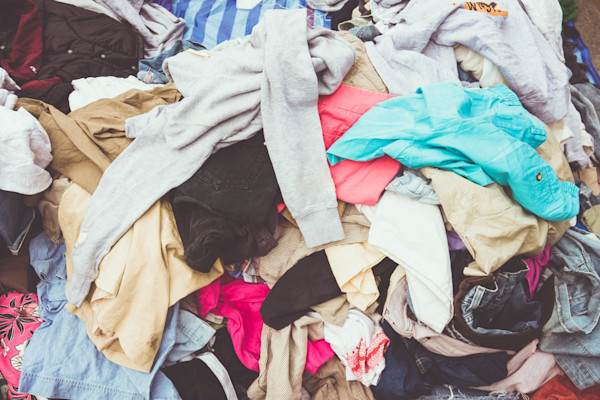
Why Is Sorting Necessary?
Ease of stain removal is one of the critical benefits of sorting your clothes. It should go without saying that heavily soiled clothing should be separated from less soiled clothing and washed as quickly as possible.
By grouping everything together, the stained items won't get the individualised care required to remove stains. Sorting your clothes enables you to use the proper pretreatment for stains.
Even though some modern washing machines have a feature to stop the colour bleeding, you might still wish to separate your clothing for caution. Excess dye on clothing will still leak even when using advanced machines. Additionally, sorting your clothing is crucial if you intend to use black or bluing agents.
Sorting clothes will also help you determine the type of cycle you need to run: delicate, regular, or heavy.
Steps to Sort Laundry the Efficient Way
The basic rule for separating clothes is to sort them based on fabric type and colour to prevent dye transfers and bleeding.
Step 1: Check the Label
You must check labels for sorting clothes before washing any item to find the fabric content, such as whether it is made of 35% cotton, 65% polyester, or 100% cotton. Fabric content will determine your washing procedures, including the washing cycle, water temperature, and drying technique.
Step 2: Sort the Blended Fabrics
As a general rule, we wash blends according to the directions for the fabric that makes up the majority of the blend. For instance, if a shirt's label specifies that it is 70% cotton and 30% polyester, wash it according to the cotton washing instructions.
If the cloth contains any silk, wash it according to the silk-washing guidelines. All woollens, including cashmere, are subject to the same restriction. If a garment has wool and silk, wash it according to the wool washing guidelines. To keep these delicate materials appearing brand new, they must be washed separately because they are too sensitive to be washed using standard techniques.
Almost 90% of clothes with "dry clean" tags may be safely cleaned at home with the correct fabric-specific detergent formula. However, be cautious of leather patches, overdyed patterns, heavily decorated textiles, and "do not wash" labels. Some fabrics need to be professionally cleaned since they aren't made to tolerate exposure to water.
Step 3: Create Separate Piles
Organising your clothes into groups is the next step in dealing with a massive laundry pile. You can pre-sort your clothes to make life easier by using a sorting hamper with compartments for different types of clothes.
Sort your clothes into these categories:
- ✦
Daily washing (including cotton, linen and garments like T-shirts, button-down shirts, pants and socks)
- ✦
Denim
- ✦
Bed linens, towels, and bedding
- ✦
Sportswear and swimwear
- ✦
Woollens
- ✦
Clothes that are dirty, stained, or smelly
- ✦
Items labelled "Dry Clean" or "Dry Clean Only."
Step 4: Colour Code
Next, divide each pile of clothes into three smaller piles: white or light-coloured clothes, dark clothes, and colours, for the best efficiency and most incredible colour longevity.
Sort patterned items according to the colour that dominates the pattern (for example, plaids, stripes, polka dots, and florals). Choose from piles or separate the laundry if no one colour dominates. Then, wash each smaller pile individually after sorting.
Washing Your Sorted Clothes
After sorting the items, it's time to check how dirty they are so you can successfully pre-treat any stains. Usually, the fresher the stain, the easier it is to remove. One of the most effective methods to keep clothes looking new and fresh for longer is to remove stains and odours before washing your sorted laundry.
Applying a good detergent, like Omo, directly to the stain and letting it sit for 10 to 15 minutes will pre-treat severe stains. Then, wash the cloth as directed on the care label.
Next, you must determine whether turning your clothing inside-out is necessary because of embellishments, stitching, zippers, or other hardware to protect your clothes. This step can help you avoid possible damage to the washing machine. It will also help you determine whether drying items on a hanger instead of in the dryer would protect them from further exposure to heat.
If you want more cleaning tips and tricks, visit Cleanipedia today!
