Proper Handling of Bleach
There are measures you need to take even before you start using bleach, such as using the right equipment and ensuring that your space is well-ventilated. Also, if you dilute your bleach, we have tips to help you do so correctly.
Equipment You Need When Using Bleach
Personal Protective Equipment is essential when you work with bleach. This substance can affect your skin and eyes which is why it is important to avoid direct contact. Your protective equipment should include the following items:
- ✦
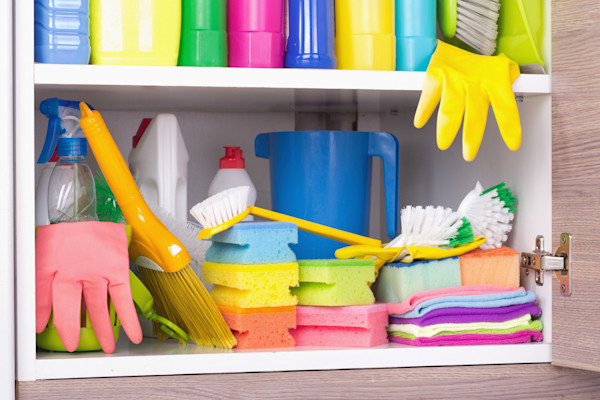
Gloves: a pair of rubber cleaning gloves can save you a lot of unwanted damage further down the line.
- ✦
Eye protection or shield: You want to protect your eyes against potential splashes with cleaning glasses or shields that don’t allow the bleach to get in your eyes.
- ✦
Appropriate clothing: Your clothing should expose as little skin as possible. Use long-sleeved clothing and long pants or skirts.
- ✦
A mask: Avoid inhaling the bleach, by wearing a mask that covers your mouth and nose.
Ventilation
Every time you work with bleach, it’s important to ventilate your space. Open the windows and doors so the air can circulate through the room. Doing so will reduce your exposure to bleach fumes, especially when you are cleaning with this product.
Things To Consider When You Dilute Bleach
When you use bleach, it is essential to dilute it. This is a very strong chemical, and you will not need to use a lot of it to obtain the desired results. Always check the instructions on your product’s label to see how to dilute it correctly. Here are general rules to follow, according to the way you intend to use your bleach.
For Surface Disinfection
If you use bleach for surface disinfection, the ratio is 1:10. You will add one part bleach to ten parts water to obtain a mix with 5,000 ppm of chlorine. With this ratio, you will be able to get rid of most pathogens and end up with a sparkling surface.
Laundry
Bleach is efficient in removing stains from fabrics, and therefore, it is commonly used for whitening laundry. Make sure you use it only on white clothes because it removes the color just as well. Use a ratio of 1:100, meaning you will add one part bleach to a hundred parts water. Also, check the clothes’ labels, as not all fabrics are suitable for this cleaning method.
Mould Removal
For mould removal, you will need a more concentrated bleach solution with a ratio of 1:4. Make sure you always ventilate your house properly when you use this bleach concentration and use the proper PPE.
Disinfecting Water
Using bleach to disinfect water is not a common practice, but it is a great tip to know in case of emergency. Add eight drops of bleach to four litres of water and let it sit for half an hour. The water will be disinfected and ready to use.
Risks of Using Undiluted Bleach
Never use undiluted bleach because you will expose yourself to severe health risks! Here are the main hazards that you should be aware of!
- ✦
Skin and eye irritations: Bleach is very caustic, and if you get it in direct contact with your skin or eyes it causes severe irritation, burning, redness, and even blindness.
- ✦
Respiratory problems: If you inhale bleach fumes in a space with poor ventilation, you can develop respiratory irritation, difficulty breathing, coughing, and lung problems.
- ✦
Can damage fabrics and surfaces: If you use undiluted bleach on fabrics and surfaces, you might damage the color or the quality of the material. Bleach can also corrode metals if you don’t dilute it correctly.
- ✦
Dangerous chemical reactions: Never use undiluted bleach with other cleaning products that contain detergent, ammonia, or acids. Such a mix can create dangerous chemical reactions and toxic fumes that will affect your lungs and can even be life-threatening.
- ✦
Fire hazard: Undiluted bleach can cause a fire if it comes in contact with a flammable substance. Diluting your bleach according to instructions reduces this risk but doesn’t eliminate it.
Safe Disposal of Bleach
Disposing of your bleach correctly is just as important as using it properly. This is how you should get rid of your bleach without exposing others or the environment to any risks:
- ✦
Dilute the bleach with as much water as you can. This is ideal if you have only a small amount of bleach.
- ✦
Neutralize the bleach. To neutralize the chlorine in the bleach, mix it with sodium bisulfite. You can find this solution in pool supply stores. This will make the bleach less harmful.
- ✦
Pour the diluted bleach down the drain. Before disposing of your bleach in this manner, ensure the local regulations allow it. Pour small quantities of bleach down the drain and flush it to dilute it even more and reduce its hazardous potential.
- ✦
When you need to dispose of bleach containers, check them to make sure they are sealed and they don’t leak. Also, add a label on the containers if there isn’t one already to avoid accidents.
How To Store Bleach
Storing your bleach correctly will keep it efficient for a longer time and increase your safety.
- ✦
Leave your bleach in its original container.
- ✦
Store it in a cool and dry place, where children and pets can’t reach.
- ✦
Keep your bleach away from food, drinks, and other chemicals containing acids, ammonia, or detergent to avoid contamination or hazardous chemical reactions.
- ✦
Check the shelf life of your product to use it before it expires for maximum efficiency.
Visit Cleanipedia today for even more useful cleaning tips!
